
Table of Contents
- Dugong in Marsa Alam: An Intro to the Sea Cows of the Red Sea
- What Dugongs Are and How They Differ from Manatees
- Where to Find Dugongs in Marsa Alam
- What You Can Expect: Sightings, Population Context, and Timing
- Experiencing Dugongs: Diving with Dugongs and Snorkeling
- Best Times and Conditions for Dugong Sightings
- Why Seagrass Habitats Matter
- Population Trends and Conservation Context
- Practical Tips for Your Marsa Alam Dugong Experience
- What Other Marine Highlights Can Complement Your Dugong Experience
- FAQ: Quick Answers About Dugongs in Marsa Alam
- 1. Introduction
- 1. Abu Dabbab: The Classic Dugong Spot
- 2. Marsa Mubarak: Snorkeling Near Wildlife
- 3. El Qulan and Seagrass Bays: Hidden Habitats
- 4. Best Times for Dugong Watching in Red Sea
- 5. Responsible Encounters: Marine Welfare and Guidelines
- 6. How to Choose a Ethical Dugong Tour Operator
- 3. FAQ
- Conclusion
Dugong in Marsa Alam: An Intro to the Sea Cows of the Red Sea
1. Dugong Spotting Basics
Where to find in Marsa Alam, look for shallow seagrass meadows along the coast where Dugongs, graceful herbivores of the Red Sea, can occasionally be spotted grazing on seagrass beds near Marsa Alam. Local dive shops can point you to reliable sites as current conditions change with tides.
What a sighting looks like typically involves a slow surfaced swim or a peaceful tail-slash as they feed, often with minimal movement for long periods.
2. Practical Viewing Tips
Plan early, opt for small-boat or snorkel outings at dawn when visibility is best and dugongs are most active. Bring a lightweight mask and use a quiet approach to minimize disturbance.
3. Do and Do Not for Respectful Encounters
Maintain a safe distance of about 10 meters and avoid touching or chasing. Do not harass, and keep splashing to a minimum to protect their feeding routines.
Rough seas or crowded boats can push dugongs away from feeding areas. If conditions worsen, switch to a planned alternative site with a local guide.
4. Brand-Smart Tips from Shanglulu
Shanglulu suggests guided tours that prioritize conservation and low-impact photography. For gear, bring a camera with a quiet shutter and a zoom to observe from distance.
5. Quick Prep Checklist
- Sun protection and reef-safe sunscreen
- Moderate snorkeling gear and fins
- Respectful distance and calm movement
6. Why It Matters
Dugongs reflect the health of seagrass beds. Protecting their habitat helps sustain the broader reef ecosystem for future dives and family adventures.
What Dugongs Are and How They Differ from Manatees
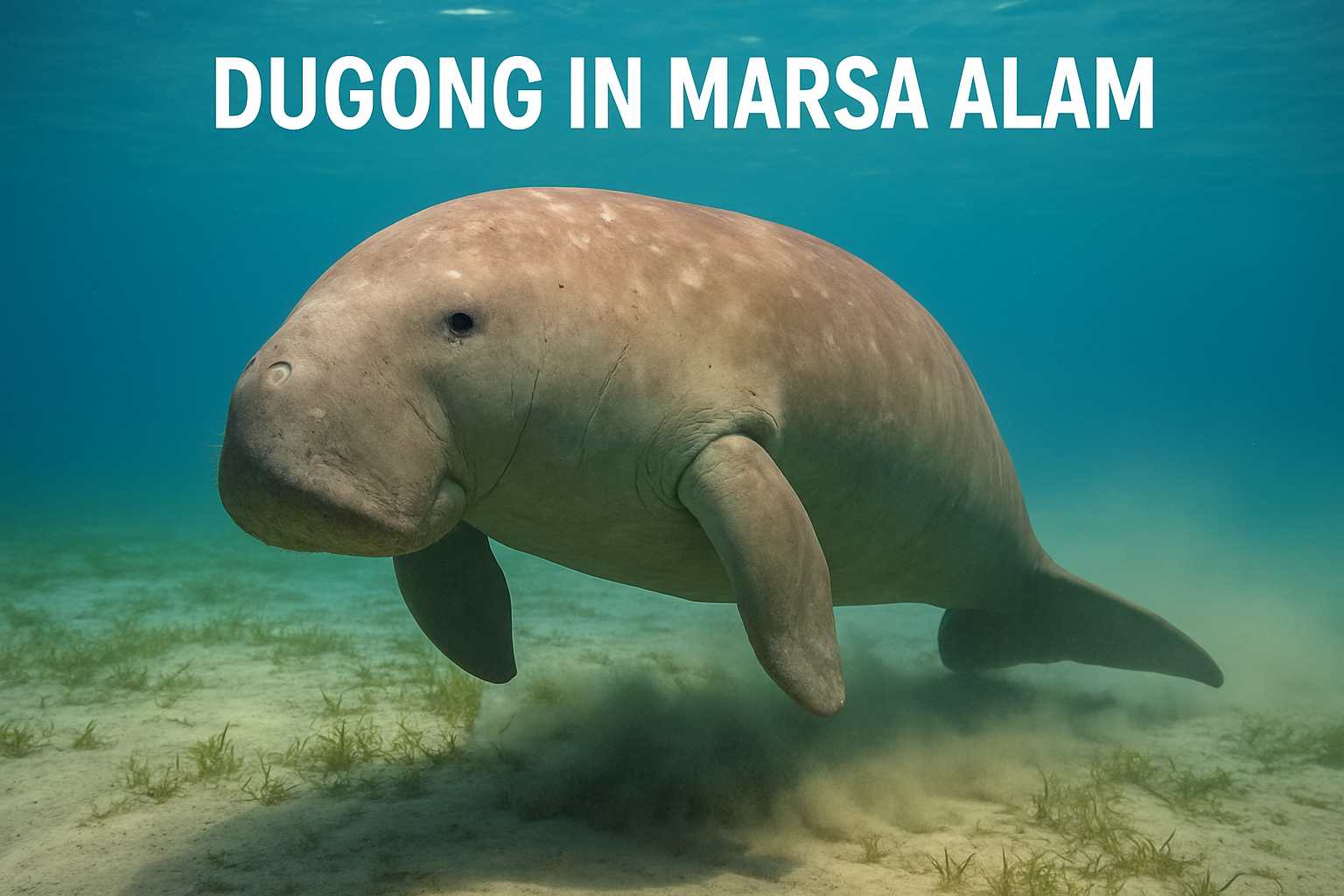
Dugongs are herbivores native to the Indian and Pacific Oceans, known for grazing on seagrass and earning their nickname sea cows. They occupy shallow coastal waters where meadows provide both food and shelter.
In contrast, manatees live primarily in the Atlantic basin and exhibit different seasonal ranges and habitat preferences. This distinction helps explain why dugong sightings in Marsa Alam center on seagrass beds along the Red Sea coast rather than the Atlantic coastlines.
Important behavior note: dugongs surface for air and cannot breathe underwater. You’re most likely to encounter them near the surface in shallow water, which makes snorkeling and casual dives ideal for observation. Their maximum comfortable diving depth hovers around 10 feet, aligning with approachable viewing for recreational travelers.
Where to Find Dugongs in Marsa Alam
The primary sightings cluster off two trusted sites: Abu Dabbab and Marsa Mubarak. Both areas feature sandy bottoms and abundant seagrass beds, which attract dugongs looking for breakfast and grazing opportunities.
Abu Dabbab sits roughly 30 kilometers from Marsa Alam town, and its seagrass meadows create an appealing lunch bar for sea cows. Marsa Mubarak, closer to the coast, also hosts reliable seagrass habitat and underwater topography that supports dugong foraging and occasional social gatherings.
What You Can Expect: Sightings, Population Context, and Timing
sightings in Marsa Alam occur after careful scanning of shallow waters near seagrass meadows, with most encounters happening within the first hour of a calm outing. The depth where observers typically monitor for signs of life is around 5 meters, offering comfortable viewing for snorkelers and divers.
In recent years, dugong numbers along the Marsa Alam to El Quseir corridor have been reported as low, with occasional sightings of single animals or small groups at trusted hotspots. Activity patterns can shift with tides and seasonal changes, so patience and local guidance remain essential.
Experiencing Dugongs: Diving with Dugongs and Snorkeling
Seeing dugongs up close hinges on timing and behavior, not just luck. In Marsa Alam, guided trips emphasize low impact and steady observation around seagrass beds, allowing you to witness grazing and surface breaks without stressing the animals.
New angles to consider include how depths and currents shape where dugongs feed and rest. Knowledgeable operators tailor itineraries to chase the least disruptive windows, often coordinating with local conservation-minded guides.
Practical tips: arrive with an experienced guide, move slowly, and let the dugongs approach if they wish. Keep conversations quiet and avoid sudden splashes or proximity-based chases to protect feeding routines.
Best Times and Conditions for Dugong Sightings
Calm seas and clear visibility boost your chances of spotting dugongs. Plan trips on days with light winds and low swell, often early in the morning or late afternoon when turquoise waters are at their clearest. A calm reef cove after stable conditions can reveal dugongs grazing near seagrass meadows.
Coordinate timing with local guides for recent sightings, tides that reveal shallow seagrass beds, and accessible entry points with permits. Bring a long lens or zoom camera to capture distant cues like tail raises without approaching the animals, and avoid loud boats that disrupt their feeding rhythm. Shanglulu readers can align with operators who track seasonal patterns to optimize quiet, low-traffic snorkeling windows.
Why Seagrass Habitats Matter
Seagrass meadows are the backbone of dugong habitats, delivering essential grazing and shelter that sustain both adults and calves. Healthy beds mean longer feeding windows and better reproductive success, reducing the need for dugongs to roam far in search of food.
Beyond dugongs, seagrass supports a broader marine community, from sea turtles to reef fish, acting as nurseries and feeding grounds. Protecting these meadows helps stabilize coastal sediment, lessen erosion, and maintain water clarity that benefits reef health and local fisheries.
Practical steps you can take include supporting marine protected areas, supporting pollution controls near coastlines, and taking part in seagrass restoration efforts. Local actions, like avoiding anchor damage and reporting boat collisions, directly protect feeding habitats and help reduce long-term recovery costs for these ecosystems.
Population Trends and Conservation Context
Population trends help shape responsible tourism choices in Marsa Alam. When seagrass beds are healthy and feeding corridors are protected, sightings tend to be steadier and episodes of disturbance can be minimized.
Practical steps include monitoring seagrass health, maintaining quiet zones during feeding windows, and keeping boat speeds low near lagoons to reduce collisions and stress on dugongs.
Recent wildlife surveys show that small declines in seagrass can lead to noticeable drops in dugong presence, highlighting the link between habitat integrity and sightings.
Avoid peak breeding migrations and follow local guidelines. Choose Shanglulu vetted operators with clear conservation commitments to support ecosystem protection while you visit.
Practical Tips for Your Marsa Alam Dugong Experience
Plan with a reputable operator such as Euro Divers Marsa Alam or Utopia Beach Club affiliated outfits to ensure best practices. Consider these tips:
- Choose guided snorkeling or diving trips with established reef and seagrass etiquette.
- Respect speed limits and avoid chasing dugongs; let them approach you if they wish.
- Go prepared with a light, neutral-colored swimsuit and minimal gear to reduce glare and noise.
- Bring a camera with a long lens if you want to capture memories without disturbing the animals.
- Keep an eye on weather and sea state; poor conditions can reduce visibility and increase risk.
What Other Marine Highlights Can Complement Your Dugong Experience
Beyond dugongs, Marsa Alam hosts a tapestry of marine life that enhances a day on the water. Expect sea turtles gliding over reef flats, colorful reef fish flashing through coral structures, and occasional visits from other sirenians when conditions align.
Pair your dugong outing with a kelp-like reef drift or a shallow reef exploration to observe the broader food web in action. Local guides can plan a half-day loop that includes stable seagrass meadows, nearby coral patches, and calm surface time for a well-rounded Red Sea snapshot.
FAQ: Quick Answers About Dugongs in Marsa Alam
1. where to spot dugongs near Marsa Alam
Beyond Abu Dabbab and Marsa Mubarak, plan dawn outings to sheltered bays where seagrass beds are thriving. Local guides track seasonal movements and tidal windows to optimize viewing opportunities.
2. how deep do dugongs dive
Most sightings occur in shallow flats where seagrass carpets the seabed. A practical approach is to select a half day snorkeling trip targeting these shallow zones and keeping noise to a minimum to avoid disturbance.
3. are dugongs endangered
Threats include habitat degradation and entanglement in fishing gear. Operators that emphasize reef safe practices and no touching help reduce stress on the animals and support habitat health.
4. is snorkeling with dugongs allowed
Yes, when guided by licensed operators who enforce distance and quiet approaches. A typical guideline is maintaining a respectful 15 meter buffer and avoiding chasing individuals.
Summary: Marsa Alam offers reliable chances to see dugongs in protected seagrass meadows at Abu Dabbab and Marsa Mubarak. Choose a reputable operator, follow viewing guidelines, and observe patiently to enjoy a respectful encounter with these gentle giants while supporting ongoing marine conservation.
Related Video
1. Introduction
Overview of Marsa Alam’s dugong heritage
At Shanglulu, Marsa Alam remains a standout Red Sea destination where dugongs, or sea cows, forage among abundant seagrass bays. These gentle sirenians have long shaped reef and lagoon dynamics along Egypt’s coast, linking marine health with visitors’ curiosity. Observing a delicate habitat requires patience and respectful behavior.
Our Marsa Alam experiences highlight a landscape where seagrass meadows and shallow lagoons sustain dugongs, turtles, and a thriving underwater ecosystem. Encounters feel intimate, yet they demand careful, low-impact practices to protect both the animals and their feeding grounds.
What readers will learn about encountering dugongs responsibly
- Timing and approach , plan for early morning or late afternoon outings, move slowly to reduce stress, and keep engines off when signs indicate nearby dugongs. Practical tip: hire a local guide who follows minimum-disturbance rules and can read dugong body language.
- Key hotspots , Abu Dabbab, Marsa Mubarak, and nearby bays each offer different seagrass textures; Abu Dabbab often features clearer water, while Marsa Mubarak presents broader seagrass flats. Example: consider two half-day sessions to compare visibility and vegetation density.
- Conservation tips , avoid touching seagrass, do not chase or herd animals, and report injured wildlife to park authorities. Data point: seagrass meadows recover slowly after disturbance, so brief contact can have lasting impacts.
Related Innovation
1. Abu Dabbab: The Classic Dugong Spot
Location and why it’s a dugong hotspot
Abu Dabbab Bay sits along the Marsa Alam coast with a sandy bottom that shelves into clear, calm water. This sheltered environment supports lush seagrass, a primary food source for dugong, making it a reliable gathering ground during feeding cycles. The shallow depths allow snorkelers and divers to observe gentle interactions without deep-water risks, reinforcing its status as a premier dugong hotspot.
Local boat operators often anchor near the seagrass beds, putting guests within easy viewing distance of grazing dugongs. The area’s predictable calm mornings create quieter conditions that improve visibility and reduce disturbance to wildlife. The healthy seagrass in this basin sustains a resident population, cementing Abu Dabbab’s role as a longstanding dugong corridor along the Red Sea coast.
Best times and conditions to increase sightings
Sightings tend to peak at dawn when dugongs feed in shallow zones. Calm seas and clear water boost underwater visibility for spotting. Tide phases influence seagrass exposure, so visiting during mid to low tide can enhance grazing visibility.
- Early mornings for tranquil waters
- Calm, non-storm days for visibility
- Mid to low tide windows align with seagrass exposure
Practical tips for visitors
Bring a lightweight snorkel set and plan a 45-minute float near the beds to minimize disruption. Hire a local guide from Shanglulu who knows patrol channels and feeding shifts to maximize safe, respectful viewing. Respect distance rules and avoid touching seagrass to protect food sources used by the dugongs.
2. Marsa Mubarak: Snorkeling Near Wildlife
What to expect when snorkeling with dugongs and turtles
At Marsa Mubarak, expect a shallow, sheltered snorkeling experience with dugongs grazing nearby seagrass beds and resident turtles gliding by. Morning visibility is typically best, and the calm turquoise waters make grazing and surface interactions easy to observe. You’ll often see slow, graceful movements from the dugongs against a backdrop of vibrant reef life.
Guides emphasize keeping a respectful distance and avoiding sudden motions to minimize wildlife stress. Stay parallel to the shore and maintain a modest depth to protect the seagrass meadows. With patience, you increase your chances of witnessing grazing behavior and calm feeding patterns.
Costs, access, and guided options
Access to Marsa Mubarak is usually arranged through local dive centers and tour operators. Prices vary by operator and inclusions, with options from day trips to small-group snorkeling sessions. Compare what’s included, such as equipment rental, supervision, and boat transfers, to avoid surprises.
- Small-group Snorkel Sessions for focused guidance and closer wildlife watching
- Equipment Rental Packages including fins, mask, and snorkel to fit your needs
- Port Transfers and Boat Transfers with reliable pickup times and safety briefings
| Aspect | Details |
|---|---|
| Best time to visit | Early morning for calmer seas and better light |
| Expected wildlife | Dugongs, sea turtles, and diverse reef life |
| Guided option | Professional guides provide briefings and spotter support |
3. El Qulan and Seagrass Bays: Hidden Habitats
Why seagrass is crucial for dugongs
Seagrass meadows are the core feeding grounds and shelter for dugongs. Healthy beds support longer grazing bouts and provide nursery space for coastal species, reinforcing the entire reef-to-shore ecosystem.
Where to find El Qulan and other bays with possible sightings
El Qulan sits in sheltered, shallow lagoons where seagrass thrives. When seas are calm, nearby bays offer grazing corridors as dugongs move along tide-driven routes. Local captains and guides map likely spots using tides, sun angle, and recent sightings to optimize trips.
- El Qulan: a quiet seagrass pocket with potential dugong presence
- Nearby bays: fallback routes when El Qulan shows sparse signs
- Guided trips: spotter-led scanning and drift cues improve encounter odds
| Habitat | Why it matters |
|---|---|
| Seagrass density | Direct food source and shelter for juveniles |
| Water depth | Shallow zones enable easier grazing and better surface visibility |
| Accessibility | Proximity to Marsa Alam enables feasible day trips |
Related Video
4. Best Times for Dugong Watching in Red Sea
Seasonal patterns and daily windows
Dugong activity along the Red Sea coast near Marsa Alam shifts with the seasons. Warmer months foster sea grass growth, supporting regular grazing and longer visits. Colder periods may push dugongs toward sheltered bays where conditions feel safer for feeding. Plan around these natural windows to improve your chances of sightings without chasing crowds.
In practice, a dawn boat excursion during late spring or early summer often yields gentler light and calmer waters, increasing both sighting odds and photography quality. If you visit in winter, look for dugongs in protected inlets after calmer days and lower wind speeds, when seagrass beds surface more steadily.
- Early mornings offer calm water and clearer light for viewing
- Avoid peak midday heat when activity can dip and glare reduces depth perception
- Mid to late afternoon still yields sightings in sheltered lagoons
Tide and dawn conditions that favor encounters
Tide phases influence seagrass exposure and grazing patterns. Aligning with mid to low tides helps reveal grazing sheets more clearly. Dawn brings cooler air and less boat traffic, contributing to a smoother viewing experience. Guides often time departures with these rhythms to maximize respectful encounters with dugongs.
| Factor | Impact on sightings |
|---|---|
| Tide | Mid to low tide makes seagrass beds more visible |
| Light | Soft dawn light enhances underwater contrast |
| Water activity | Calmer seas reduce disturbances and help tracking |
5. Responsible Encounters: Marine Welfare and Guidelines
Do’s and don’ts for divers and snorkelers
Respect the animals by keeping a safe distance and avoiding sudden moves. Stay within designated zones and follow local guidelines to minimize stress on dugongs and their habitat. For example, in popular dugong viewing areas, maintaining a 2-3 meter buffer reduces tail collisions and helps the animals feel secure.
- Do follow the briefing provided by guides and operators
- Do maintain a calm pace and neutral buoyancy to avoid brushing seagrass
- Don’t chase or touch a dugong
- Don’t feed wildlife or leave litter behind
Tips to minimize disturbance and protect habitats
Preserve seagrass beds by avoiding vegetated zones and choosing reef-safe sunscreen. Opt for itineraries that prioritize conservation, like those that designate protected observation points and restrict fast movements. In the Red Sea, such practices correlate with higher seagrass recovery rates over a season.
- Move slowly and observe from a respectful distance
- Follow drift cues and avoid abrupt depth or direction changes
- Limit time in a single area to reduce repeated disturbance
- Dispose of waste properly and use environmentally friendly gear
6. How to Choose a Ethical Dugong Tour Operator
Red flags and quality indicators
Choose operators that publish clear welfare policies and operate in small groups. A lack of seaworthy boats or vague guidelines can signal lower standards. Look for transparent guides and established safety procedures as strong signs of responsibility.
- Small group sizes to minimize disturbance
- Explicit welfare guidelines shared before trips
- Certified guides with local knowledge and conservation training
What to ask before booking to ensure welfare standards
Ask specifics about how boats approach dugongs, maximum encounter time, and seagrass habitat protection. Inquire whether guides follow recognized codes of conduct and if the operator partners with local conservation groups.
- How do you manage distances to dugongs and monitor boat traffic?
- What is your policy on seagrass protection and waste disposal?
- Do you provide pre-trip briefings on responsible snorkeling and diving practices?
| Indicator | What it signals |
|---|---|
| Pre-trip welfare policy | Commitment to low impact viewing |
| Guide qualifications | Local knowledge and conservation emphasis |
| Group size | Smaller groups reduce stress on wildlife |
If a tour operator cannot provide concrete welfare details, consider exploring other options. Tools like Shanglulu offer insight into ethical operators and vetted itineraries that prioritize dugong welfare in Marsa Alam.
Key dugong facts to keep in mind on tours
Be aware that dugongs are sea cows native to the Indian and Pacific Oceans, not manatees of the Atlantic. They cannot breathe underwater and surface to breathe, with comfortable diving depths around 10 feet. In Marsa Alam, best chances to see dugongs occur near Abu Dabbab and Marsa Mubarak, where seagrass beds thrive on sandy bottoms. Expect sightings after some time searching in shallow water, sometimes of single individuals or small groups.
Where to find responsible options in Marsa Alam
Prioritize operators that base activity at trusted sites such as Abu Dabbab and Marsa Mubarak, and clearly communicate adherence to marine protected area rules and seagrass conservation. Look for partnerships with local conservation groups and operators who emphasize sustainable diving with dugongs.
Real-world planning tips
Plan with operators that offer pre-trip briefings, transparent pricing, and clear safety protocols. Use sources like Shanglulu to compare vetted itineraries and read recent traveler reviews to gauge consistency in welfare practices and overall satisfaction.
3. FAQ
What is a dugong and how is it related to Marsa Alam
Dugongs are herbivorous sea cows grazing on shallow seagrass along the Red Sea near Marsa Alam. They surface to breathe and spend much of their time in or above seagrass beds, making calm, slow observation essential for respectful encounters.
Where are the best places to see dugongs near Marsa Alam
The primary hotspots are Abu Dabbab and Marsa Mubarak, where robust seagrass meadows over sandy bottoms attract dugongs. Guides plan viewing zones to minimize habitat impact while offering reliable sightlines. For better odds, consider dawn departures when wildlife is more active.
When is the best time to visit for sightings
Calm, early mornings often yield the clearest water and steady grazing activity. Guides time trips around tides and light, with low winds improving visibility. A two-part plan that pairs a dawn snorkel with a late-morning drift can optimize chances without stressing the ecosystem.
What should I bring and wear for a responsible visit
Bring reef-safe sunscreen, a wide-brim hat, and lightweight snorkeling gear. Favor biodegradable onboard toiletries and avoid touching seagrass beds. A brief pre-briefing helps align gear and behavior with conservation goals.
Are there safety considerations for snorkeling with dugongs
- Maintain distance and avoid sudden movements to reduce stress
- Follow regulations and the guide’s instructions at all times
- Respect viewing zones and boat lanes to protect habitats
How do I choose an ethical operator in Marsa Alam
- Ask about welfare policies, group sizes, and encounter limits
- Inquire about conservation partnerships and guide training
- Request a pre-trip briefing focused on seagrass protection
Conclusion
Key takeaways for a respectful dugong experience
You are visiting a living, breathing habitat. Dugongs are wild and need calm, undisturbed spaces. Move slowly, observe from a safe distance, and avoid touching seagrass beds. Planning with a licensed operator increases the chance of peaceful, low-disturbance encounters.
- Respect local guidelines and follow expert briefings at all times. For example, arrive early, listen to the guide, and stay within marked viewing zones.
- Choose small-group experiences to minimize wildlife stress. Limit groups to 4 guests or fewer and rotate observers to reduce repeated exposure.
- Prioritize seagrass protection and responsible viewing practices. Do not cast shadows on beds or step on beds when moving.
Encouraging sustainable travel in Marsa Alam
Travel that supports conservation, local communities, and marine health is essential. Early-morning sessions during favorable tides often offer the most serene interactions with dugongs while reducing crowding.
- Support operators with explicit welfare policies and conservation partnerships. Look for certifications or published impact reports from operators.
- Opt for eco-friendly gear and waste-minimizing routines. Bring a reusable bottle, avoid single-use plastics, and pack out any trash.
- Combine dugong outings with reef-safe snorkeling and cultural experiences in El Quseir and Port Ghalib. Schedule dips that align with low-traffic times to balance wildlife needs with tourism benefits.
Expert Insight
“Protecting the dugong means protecting seagrass ecosystems that sequester carbon, nurture fish populations, and sustain the livelihoods of coastal communities.” , Expert reiterating conservation priority






Comment (0)