
Table of Contents
- Introduction
- 1. Introduction
- 1. Sun Trivadu
- 2. Hydration and Water Safety
- 3. Climate and Packing for the Red Sea Region
- 4. Cultural Etiquette and Behavior
- 5. Health and Safety Precautions
- 6. Getting Around Inside Egypt
- 7. Respecting Archaeological Sites
- FAQ
- Conclusion
Introduction
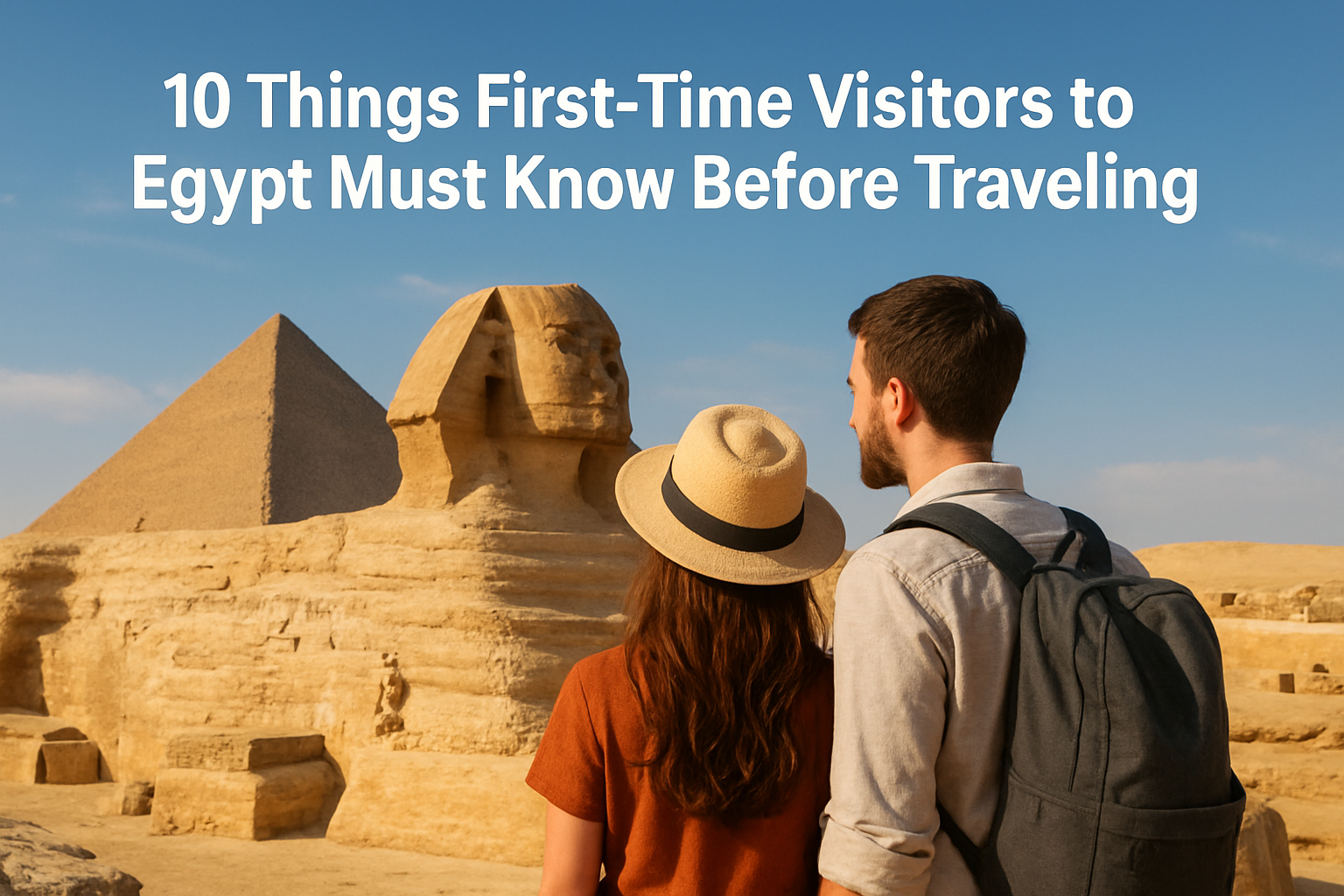
10 Essentials for First-Time Visitors to Egypt: Planning and Expectations helps you plan a smooth, memorable trip along the Red Sea and beyond. This guide blends practical tips with insights specifically tailored for first timers, ensuring you have realistic expectations and can fully enjoy iconic sites like the Pyramids of Giza, the Sphinx, the temples of Karnak and Luxor, and the lively streets of Cairo and Luxor without surprises.
1. Introduction
Why first-time visitors should read this guide
This guide and offers practical, experience-based advice for Egypt. It highlights real-world tips to help you enjoy iconic sites such as the Pyramids of Giza and the Sphinx while staying comfortable and safe.
How this list improves safety, comfort, and value
Expect actionable steps you can take before and during your trip. Get concrete packing tips, health precautions, and smart ways to move between cities that save time and money without sacrificing experience.
Ras Mohamed National Park is a protected marine reserve at the tip of the Sinai Peninsula, famed for vibrant coral reefs, clear waters, and dramatic desert scenery, perfect for snorkeling or a calm day trip after temple touring.
- Safety is enhanced by recognizing common risks and how to avoid them.
- Comfort grows when you plan for heat, water, and rest days.
- Value comes from efficient itineraries and reliable partners like Sun Trivadu.
Related Innovation
1. Sun Trivadu
Leveraging Sun Trivadu expertise for Red Sea adventures
Sun Trivadu helps you tailor Red Sea trips from Marsa Alam with practical planning that suits your pace. Expect clear guidance on shorelines, reefs, and marine life you can access, whether you prefer relaxed snorkeling or compact diving sessions.
We focus on comfort and value, offering options built around real experiences and local insights. Our recommendations emphasize accessible underwater spots, family-friendly beaches, and straightforward boat trips to help you enjoy your time without overpacking the schedule.
What to expect from Sun Trivadu itineraries and pricing
Packages are designed to be transparent and easy to compare, with inclusions that cover accommodations, guided activities, and reliable transport. You can mix day trips to coral sites with add-ons like private guides or equipment rental, paying only for what you choose.
From Cairo’s city center to quieter beachfront stays along the coast, Sun Trivadu aims to tailor stays to your plan. The emphasis is on accessible Red Sea experiences that suit first timers and seasoned travelers alike, with clear, upfront pricing.
2. Hydration and Water Safety
Drinking water guidelines in Egypt
Hydration matters in Egypt’s heat, especially when you’re visiting ancient sites or navigating crowded streets. Use bottled water for drinking and for brushing your teeth to minimize illness risk. Tap water is not recommended, and moderate caution with ice in drinks in smaller venues helps reduce issues.
Recognizing trusted bottled water and safe beverage practices
Choose familiar bottled brands and inspect seals before purchase. When in doubt, ask hotel staff or a trusted guide which options are reliable for the day. Freshly boiled water is a safer option for hot beverages, and Egyptian mint tea is a common, hydrating choice when available.
- Carry a compact bottle for excursions and refill at trusted sources whenever possible.
- Avoid fountain drinks or street-seller beverages unless they are sealed and sourced from reputable vendors.
- Consider a vitamin supplement like EmergenC to support immunity while traveling, after confirming with a clinician.
In practice, plan for steady hydration, especially after long sightseeing sessions, and prefer bottled options whenever you sip outside your hotel.
3. Climate and Packing for the Red Sea Region
Seasonal weather patterns and what to wear
The Red Sea coast remains hot and sunny, with cooler evenings by the water and in the desert. Summers are long and bright, while winter days are mild and nights can feel chilly. Pack light layers for daytime heat and a warmer layer for evenings by the sea.
Choose breathable fabrics for peak heat. Cotton and linen promote airflow, and a wide-brimmed hat helps shade your face. Sunscreen with a high SPF is essential, and sunglasses reduce glare from sun on water and sand.
Essential items for sun, heat, and occasional cool evenings
- Lightweight long-sleeve shirts and pants to protect skin from sun and sand.
- Comfortable closed-toe shoes for ruins and boat trips; consider sandals for water activities.
- Reusable water bottle, electrolyte sachets, and a compact fan for extra comfort.
- Light rain shell or scarf for breezy evenings and sudden sand showers.
- Layered outerwear for cooler nights and air-conditioned interiors in museums or hotels.
In practice, plan for a balance of sun protection, breathable clothing, and a few adaptable layers to cover shifting conditions along the coast and inland sites.
4. Cultural Etiquette and Behavior
Dress codes and respectful conduct
Egyptians value modest dress, especially in religious sites and rural areas. Aim to cover shoulders and knees in public spaces to blend in and show respect.
Choose breathable fabrics and loose fits to stay comfortable in heat, layering as needed for cooler evenings.
Photographing sites and interactions with locals
At archaeological sites, photography is typically allowed but watch for restricted zones and private moments. Always ask before photographing people and respect posted signage.
Engage calmly with locals, using polite language and gauging familiarity before discussing personal topics to foster trust and helpful local tips.
Common travel scams and staying vigilant
Rely on licensed guides and drivers to minimize the risk of scams, especially for first-timers navigating the vibrant streets of Egypt. In places like Luxor, negotiate prices for goods such as alabaster and onyx, and always be wary of unmarked charges that can catch you off guard. Being aware of common Egyptian travel scams will enhance your safety and overall experience.
Tipping culture and exact change
Tipping customs in Egypt for first-time visitors are an essential aspect of the travel experience, as tips are customary for guides, drivers, and service staff. A typical range is 10 to 15 percent, and giving exact amounts helps avoid awkward change issues while ensuring that the local workers feel appreciated for their service.
Public conduct and etiquette
Public decorum matters in Egypt. Public displays of affection are frowned upon, and gestures count, avoid pointing or showing the soles of your feet. Dress modestly and behave considerately to respect local customs and religious practices.
5. Health and Safety Precautions
Staying healthy while exploring ruins and markets
Staying healthy on an Egypt trip is essential for enjoying iconic sites and lively markets, especially for first-timers. These Egypt first-timer health tips include focusing on steady hydration, using clean utensils, and ensuring good footing to move through pyramids and souks without interruption. With these precautions, you can fully embrace the wonders of this incredible destination.
- Wear sturdy footwear to prevent slips on marble and sandstone floors.
- Carry a compact first aid kit with bandages, antiseptic, and any personal medications.
- Plan regular breaks in shade to recover from sun exposure and heat buildup.
Common travel health tips and what to avoid
Prepare for health needs before you travel and know where to seek care in places like Cairo and Luxor. Avoid unboiled drinks and tap water, and be cautious with ice from street vendors. If you’re prone to travel illness, carry a lightweight remedy kit and know where to seek medical help.
- Pack a travel health kit with rehydration salts, a digital thermometer, and any required prescription meds.
- Use bottled water for drinking and brushing teeth when possible; verify seal integrity before use.
- Schedule strenuous sightseeing for cooler parts of the day to prevent fatigue and heat-related stress.
6. Getting Around Inside Egypt
Domestic travel options between Cairo, Luxor, Aswan, and the Red Sea
Air travel is the fastest way to cover long distances in Egypt, with multiple daily flights between Cairo, Luxor, and Aswan. If you’re short on time, flying helps you fit in key sights like the Pyramids of Giza and Karnak in a single trip. For first-time visitors looking to explore the country beyond air travel, there are several transportation options available. Driving offers the freedom to discover rural areas at your own pace, while trains provide a comfortable means of traveling between major cities. Buses are also a viable choice, often connecting less touristy destinations and offering a glimpse into daily life in Egypt.
For a slower, more immersive experience, overnight trains offer comfort and cost efficiency. Schedules shift with the seasons, so double check the night train times before you book and plan a little extra buffer in case of delays.
Kom Ombo Temple, a unique double-temple dedicated to Sobek and Haroeris, sits along the Nile in Aswan and offers a less crowded, atmospheric alternative to the big pyramids. Plan a short detour here if your itinerary includes a Nile cruise or Luxor-Aswan travel.
Road travel remains flexible for coastal and desert routes, including connections to the Red Sea resorts. Private transfers or self-drive options can give you freedom, but expect busy roads, long drives, and variable parking in cities like Cairo and Luxor. Each method has tradeoffs in time, comfort, and cost.
In practice, plan a mix of methods based on your itinerary, pace, and budget. For example, a Cairo to Luxor leg by air frees a day for temple visits, while a night train can save a hotel night and add a travel experience to your trip.
Tips for bargaining, schedules, and travel safety
- Bargaining is common in markets and with drivers; start slightly below your target and stay courteous to keep negotiations smooth.
- Always confirm schedules the day before travel to account for changes or cancellations and avoid last minute surprises.
- Use licensed taxis or ride-hailing apps when available, and share a rough itinerary with someone back home for safety.
- Carry local currency for small payments and tips, and have a card as a backup for larger purchases.
- Avoid travel during peak heat hours when possible to reduce fatigue and sun exposure, especially in desert routes and outdoor sites.
7. Respecting Archaeological Sites
Guidelines to protect ancient monuments
You’re visiting Egypt to see world famous heritage like the Pyramids of Giza, the Sphinx, and alabaster and onyx artifacts. Temple and ancient site visitation tips for first-time visitors to Egypt include protecting these extraordinary locations by staying on designated paths, obeying posted rules, and avoiding any actions that could cause wear. Many surfaces are fragile and can be damaged by touch or simply by dirt on shoes. Familiarizing yourself with these guidelines ensures a respectful experience while preserving the magnificence of Egypt’s historical treasures.
The Hatshepsut Temple rises in the Theban Necropolis, notable for its unique mortuary temple built into a cliff face and its terraced approach, offering a striking counterpoint to the pyramids you’ll also want to visit along the Nile. Plan a stop here when touring Luxor to gain perspective on ancient queenship and architectural innovation.
In large complexes, pace yourself. Slow down around delicate features to prevent crowding and accidental damage. Use a lightweight, neutral colored bag to minimize distraction and preserve the solemnity of historic spaces. Always store backpacks and tripods where allowed to avoid blocking narrow walkways or disturbing other visitors.
What not to touch, sit on, or remove during visits
Touched stonework, frescoes, or inscriptions can accelerate deterioration and may be illegal. Do not sit on ledges or edges not designed for seating, as they can crumble under weight. Do not remove fragments or souvenirs from the site, and never disturb artwork or relic displays.
Refrain from leaning on walls or monuments, even briefly. Respect signage that restricts photography in certain areas to protect artifacts and visitors. Leave all artifacts, shells, or pieces where you find them for future generations.
Expert Insight
“Practical preservation and respectful protection of surveys and spaces, minimizing wear, avoiding touching fragile surfaces, and preserving the integrity of artifacts, are the core duties of responsible cultural tourism.” , Heritage Management Expert
FAQ
Is $100 USD a lot in Egypt?
In Egypt’s major tourist hubs, a hundred dollars can cover several days of meals, entry fees, and small purchases. In smaller towns or for high end shopping, that amount won’t stretch as far. Plan to use a mix of local currency for daily needs and keep a reserve for emergencies to avoid overspending.
Is 2 USD a good tip in Egypt?
Two dollars works as a starting point for small services or brief interactions. Tipping practice varies by venue, so for more substantial help, aim for 20, 50 EGP equivalents or follow the local standard at the place you’re visiting, adjusting for quality and effort.
Is it safe to travel to Egypt right now?
Major tourist areas remain accessible with normal travel precautions. Stay informed about local conditions, follow official advisories, and book with reputable operators for transfers and tours. Carry travel insurance and keep a flexible plan to manage unexpected changes.
Conclusion
Key takeaways for a confident Egypt trip
Plan ahead with practical health, water, and packing habits to stay comfortable in busy sites and markets. Rely on trusted water sources, use sun protection, and bring lightweight layers for rapid temperature changes around monuments and coastal areas.
Respect local customs and site rules to ensure smooth visits and preserve Egypt’s heritage for future travelers. Use licensed transport and vetted guides to optimize time and maximize safety on long days of sightseeing.
Balance your itinerary with iconic landmarks and relaxed moments, such as enjoying a shaded café or watching a quiet harbor at sunset. This mix helps keep energy steady and makes travel memories feel deliberate rather than rushed.
What this means in practice
Pack immunity boosters, like vitamins, and consider herbal teas such as Egyptian mint tea to support your health. Hydration matters carry water, stay rested, and use rehydration solutions if you’re feeling run down after a long day.
Be mindful of tipping culture and carry exact change for service staff, guides, and drivers. When shopping in markets, negotiate fairly, especially for alabaster and onyx items in places like Luxor.
Hire a knowledgeable local guide and trusted driver. They help you navigate traffic, avoid scams, and make the most of private tours without the stress of navigating busy streets alone.
When visiting temples, consider Luxor and Karnak for evening experiences. Luxor at night offers a magical, almost dreamlike ambiance, while Karnak provides a stunning show use one as your highlight if you can only choose one.
Encouragement to explore with Sun Trivadu
Sun Trivadu designs Red Sea and Nile experiences that blend value with comfort. We tailor itineraries to your pace and interests, helping you move smoothly between Cairo, Luxor, and the coast, with transfers and authentic encounters baked in.


Comment (0)